The Pause Before the Discount: Three Questions for Friendly Requests
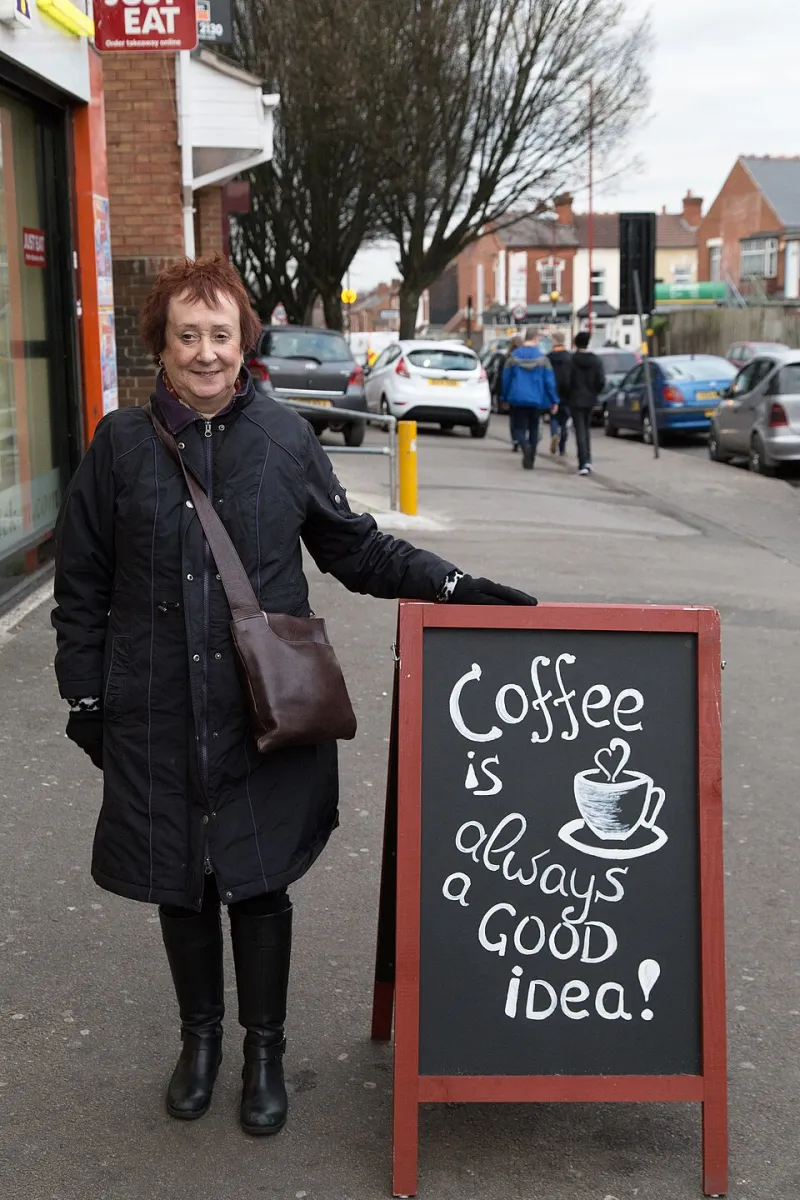
Photo: Francisclarke, CC BY-SA 4.0, via Wikimedia Commons
There is a particular moment at a local networking evening when the room goes quiet enough for someone to lean in and say: 'You couldn't do us a mate's rate, could you?' It is meant as a compliment. It often lands as a small test. Say yes on the spot and you have set a price you did not choose, for a scope nobody wrote down. Say no too quickly and you can feel the table cool.
The trick is not to be tougher. It is to be slower. Three questions buy you a pause, and a pause is usually all you need to keep both the margin and the relationship.
Why the ask feels bigger than it is
Most friendly requests are not really about the money. They are about being recognised as a good neighbour, a known face, someone who does not hide behind a quote form. That is why a flat no feels like a rejection of the person, not just the price.
But a discount is a business decision dressed as a social one. The moment you treat it as a social decision, you are pricing in public, with no scope, no timeline and no idea whether the favour will be returned. The three questions put the business hat back on without taking the friend out of the room.
Question one: What exactly is being discounted?
Ask what the job actually includes. Not the headline task, the edges. How many revisions? Who supplies what? Is this a one-off or the first of a monthly arrangement? Does it include your travel, your software, your Saturday?
You are listening for two things: whether the ask is smaller than it sounded, and whether the word small is doing a lot of work. A quick bit of help can be three hours of unpaid admin. A small favour can become the template for every future request.
A useful line is: 'Happy to look at it. Send me the same brief you'd send anyone else, and I'll tell you what I can do.' This is friendly, it is not a yes, and it moves the conversation from the room to a proper piece of paper.
Question two: When does the work land?
Timing is where friendly discounts quietly become expensive. A favour in a quiet February is one thing. A favour in your busiest fortnight is a different animal, because it pushes paid work out of the diary.
Ask when they need it, and be honest about what your next three weeks look like. If the answer is as soon as possible, the discount should probably be smaller, not larger, because you are being asked to move things. If the answer is sometime before the end of the quarter, you have room to shape a sensible offer.
This is also where you find out whether the request is urgent or just early. Plenty of can-you-do-it-this-week asks turn out to be I-have-finally-got-round-to-it-this-week. Those are not the same thing, and they should not carry the same price.
Question three: What comes back, and when?
Reciprocal value does not have to be cash. It can be an introduction, a testimonial, a slot in their newsletter, a case study, a referral that actually lands. But it should be specific enough to recognise when it happens.
Ask: 'If I sharpen the price, what did you have in mind on your side?' Then listen. I'll tell everyone about you is warm but vague. I'll put your card in every handover pack for the next three months is a trade. One is a feeling. The other is a term.
If nothing comes back, that is allowed, but then it is a discount, not a swap. Price it like a discount. Small, time-limited, and not repeated by default.
The script that keeps the room warm
You do not need a speech. You need a holding line and a follow-up. Something like: 'That sounds like it could work. Let me check the scope and the diary, and I'll come back to you tomorrow with a proper number.'
Then actually come back tomorrow. The pause only works if it is short and respectful. A three-day silence after a friendly ask reads as avoidance; a next-day reply reads as competence.
Put the answers somewhere
Keep a one-page note of friendly requests: who asked, what was agreed, what came back, and when. Not because you are keeping score in a mean way, but because memory flatters. We remember the favour we did and forget the one we got. A simple log stops a pattern becoming a policy by accident.
At the end of the quarter, look at it. If the same names are asking and nothing is coming back, the next answer can be warmer and firmer: 'I can't do the mate's rate on this one, but I can do X at the standard price and hold the date for you.'
When the answer is still no
Sometimes the scope is big, the timing is wrong and the reciprocal value is a shrug. That is fine. A no delivered after three questions sounds like a considered no, not a snub. You can even say why: 'I'd be losing money on that scope, and I'd rather tell you than do a bad job.'
The room rarely punishes that. What it punishes is the yes that turns into a slow, resentful job. Protect the margin, keep the relationship, and let the pause do the heavy lifting.