The Eleventh Stamp Doesn't Pay the Rent: A Ninety-Day Audit of a Shared High-Street Card
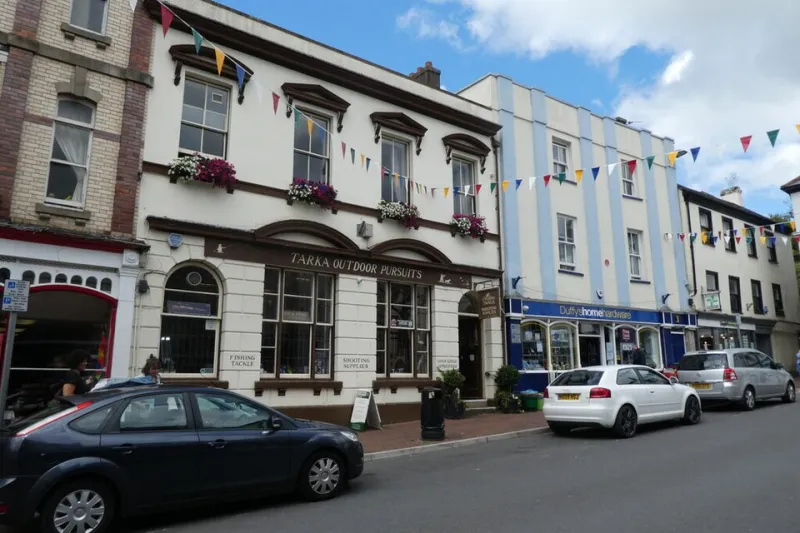
Photo: Roger Cornfoot , CC BY-SA 2.0, via Wikimedia Commons
There's a particular sound a shared loyalty card makes when it lands in a till drawer: a small, flat slap, somewhere between a receipt and a business card. Three shops, one card, ten stamps, one free something. On paper it costs almost nothing. In practice, somebody has to count it.
What follows is a write-up of one scheme — a café, a butcher and a hardware shop on the same stretch of pavement — followed for 90 days from early August to the end of October 2026. Not a marketing case study. A ledger.
What we actually set up
The mechanics were deliberately boring. One card, credit-card sized, printed both sides with all three logos. Ten stamps, in any combination across the three shops. The eleventh item free up to a value of £3.50, redeemed wherever the card was completed. No app, no QR code, no points conversion, nothing that needed a login.
Five thousand cards were printed because that was the price break. Four hundred and twelve were handed out in 90 days. Read that ratio again before you order your own.
The ledger, warts and all
Here is the whole thing, including the bits nobody puts in the newsletter.
| Line | Amount |
|---|---|
| Card print run (5,000, 350gsm, double-sided) | £165 |
| Artwork (traded for a case of beer) | £0 |
| Owner hours — 4 hrs a month across three shops at £22/hr, 3 months | £264 |
| Free items redeemed — 61 completed cards at an average cost price of £0.62 | £38 |
| Till retraining, one argument, one lost stamp book | £0, but it felt like £200 |
| Total cost | £467 |
On the other side of the page, things were thinner. Sixty-one redemptions generated an average of £3.90 of additional basket spend beyond the free item — £238 in total. At a 60% gross margin that is roughly £143 of contribution. Net cost of the exercise: about £324.
The break-even line nobody draws
To claw back £467 at a 60% margin, the scheme needed £778 of genuinely new spend. It produced £238 of basket, and even that flatters it. Of the 61 people who completed a card, 48 were already regulars — people who would have walked in anyway. Nineteen of the redemptions replaced a purchase that was going to happen regardless. That's cannibalisation, and it is the number most schemes quietly ignore.
The free coffee was never the problem. It cost 42p to make. The problem was that a scheme built to attract new feet mostly rewarded existing ones, and the cost of running it — the counting, the stamping, the retraining — sat almost entirely in owner hours rather than in the card.
Who actually owns the customer?
The scheme captured 41 email addresses over three months. Priced generously, that is £11 a head if you value the list at what a local mailing would cost you. Priced honestly, it is a small pile of contacts with no agreement behind them.
Because three businesses collected one list, they were joint controllers under UK GDPR. That requires a written arrangement setting out who does what, a privacy notice naming all three firms, and consent wording that a customer can actually understand. None of that existed. Nobody had asked what happens if the butcher leaves the scheme, whether he takes his share of the list with him, or who answers the phone when someone asks to be deleted.
It is worth saying plainly: a shared card is a small data partnership, not a bit of stationery. Treat it as one before the first stamp is inked.
Eight questions to settle before you print 5,000
- Who is the controller of any data collected, and is that written down and signed?
- What is the cost price of the free item — not the retail price?
- Does the free item bring an extra visit, or replace a sale you'd have made anyway?
- Who counts completed cards, how often, and where is the tally kept?
- What happens when a card is finished in shop A and redeemed in shop C?
- What's the exit clause, and who keeps the leftover stock when someone leaves?
- Which single number tells you in 90 days whether this worked?
- What is the maximum any of you will spend before you agree to stop?
What we'd do with a second print run
Fewer cards. Twelve hundred, not five thousand — enough for a year at the actual rate of hand-out. One shop first, then invite the neighbours in once the counting is routine. And a two-field online form behind a QR code on the counter, so the list belongs to someone and the consent wording is legible.
A shared stamp card can work. It just doesn't work by accident, and it doesn't work for free. The card is £165. The scheme is the hours, the agreement, and the argument at the till — and that is the bill nobody quotes when they suggest it in the pub.