The Twelve-Minute Patch Read: Council Paperwork That Tells You What's Coming
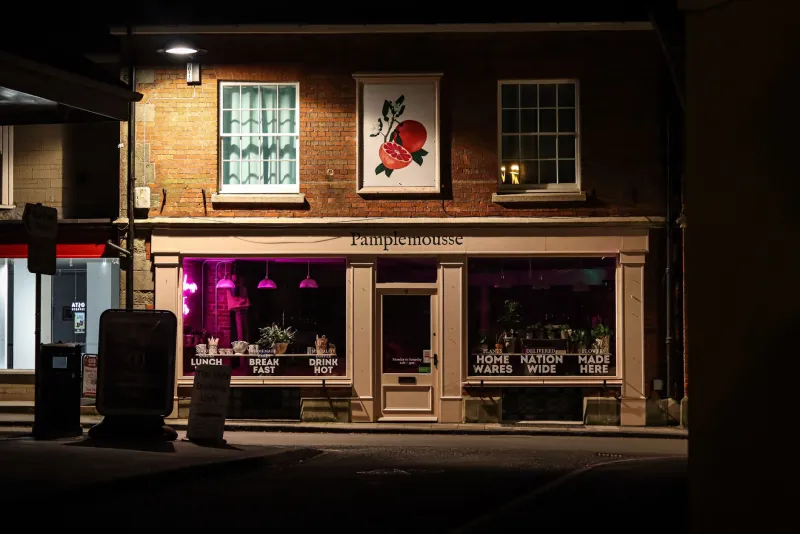
Most owners treat planning applications like scaffolding: you notice it, you grumble about the parking, you move on. But those documents are one of the few free, honest early-warning systems left on your patch. They tell you who's expanding, who's packing up, who's hiring a fit-out crew and who's about to become your next customer. You don't need to be a planning nerd to use them. You need twelve minutes and a recurring calendar reminder.
Start With the Planning Register, Not the Gossip
Every UK council runs a planning register, usually searchable by ward, postcode or street. Filter for the last twenty-eight days and look for three things: change of use, new shopfronts or signage, and applications that mention 'sui generis' (the planning category that covers everything from hot food takeaways to betting shops). A retail unit applying to become a takeaway is a footfall story. A warehouse applying for a loading bay extension is a logistics story. A former pub applying for flats is a story about your evening trade.
You are not reading every application. You are scanning addresses you recognise. If a nearby unit has sat empty for a year and suddenly has a change-of-use application, that is your cue to ask who's moving in.
The Licensing Register Is a Hiring Signal in Disguise
Premises licence applications and variations are published by every council and they are wonderfully specific. A new licence means a new operator, which usually means a fit-out, a launch date and staff recruitment. A variation for later hours means a competitor is changing its evening offer. A variation to add off-sales means someone is chasing a different customer.
Check the licensing register for your postcode every month. If a venue two doors down applies for a 1am finish, you want to know before the first noisy Saturday, not after. A quick word now is a neighbourly conversation. A complaint in March is a feud.
Road Closures and Works Notices: The Diary You Didn't Know You Had
Councils publish traffic regulation orders and roadworks notices, and they are not just for people who enjoy traffic cones. They tell you when the high street will be dug up, when the bus stop moves, and when your deliveries will need a different plan. If your customers drive, a two-week closure is a two-week trading hit you can plan for. If your customers walk, a pavement closure is a reason to put a sign in the window.
The same documents often name the contractor. That's a business lead, not just a nuisance.
The Procurement Pipeline: Who's About to Spend Money Nearby
Councils and other public bodies publish contract opportunities and forward plans on Contracts Finder and Find a Tender. Most owners never look. That's a mistake. Search for the services you already provide — cleaning, grounds maintenance, IT support, training, catering, transport — and filter by your region.
The real signal is not the contract you can bid for tomorrow. It's the renewal nine months out. That's when you can introduce yourself to the buyer, understand the specification and decide whether it's worth the paperwork. Public sector buying is slow and bureaucratic, but it is also published in advance. Use that.
Committee Minutes: The Ten-Minute Skim That Beats a Survey
Planning committee and licensing committee minutes are the closest thing to a local business briefing you'll get for free. You don't need the officer reports. Skim the decisions and deferrals. Look for names of developers, agents and applicants. Look for regeneration budgets, section 106 money and economic development grants. Look for the phrase 'for information' — that's often where the interesting stuff hides.
If a committee defers a decision, that's a delay you can plan around. If it approves a scheme, that's a construction project, a new employer or a new competitor.
Three Signals Worth Acting On This Month
First, a change-of-use application close to you. It might be complementary or competitive, but either way it changes the mix on your street. Walk past the unit. Ask the agent. Update your own pitch.
Second, a premises licence variation at a neighbouring venue. Later hours, bigger capacity, different offer. Introduce yourself before the first late-night weekend. A five-minute chat now saves a five-page complaint later.
Third, a council contract renewal in your sector. If the current provider is six to nine months from renewal, that is your window to get on the buyer's radar. One email, one introduction, one coffee. Not a sales pitch.
The Twelve-Minute Routine
Four minutes on the planning register. Three on licensing. Two on road notices. Two on procurement. One on committee minutes. Keep a single note in your phone or a spreadsheet: date, address, signal, action. Once a month, share the useful bits at your local network meeting. Not as surveillance — as awareness. The high street rarely changes overnight. The paperwork moves first. Read it and you'll be the owner who saw it coming.