Raffle Tickets Aren’t a Strategy: A Local Sponsor’s Six-Point Sanity Check

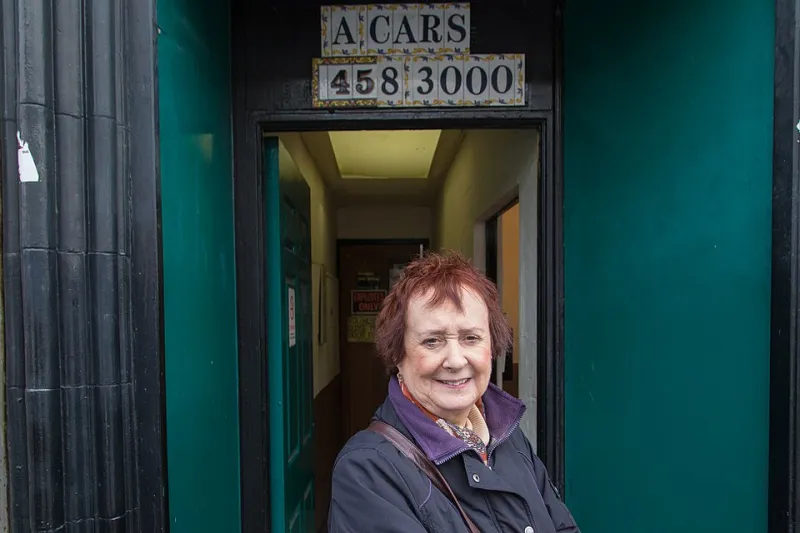
Photo by Photo by Phil Hearing on Unsplash on Unsplash
Every autumn, the same emails start arriving. The cricket club needs new nets. The village hall committee is running a quiz night. The school PTA wants a logo on the summer fair programme. All worthy. All local. All asking for a cheque.
And because you run a business in the town, people assume you are either flush with cash or morally obliged to prove you care. Neither is quite true. You care, probably. But you also have a payroll, a rates bill and a January to get through.
At NLB Forum, we hear the same line from owners again and again: “I don’t mind supporting local causes, but I’ve no idea whether any of it does anything.” Fair. Sponsorship is not a charity direct debit, and it is not a marketing plan by default. It is a spend. So treat it like one.
Here are six checks before the next envelope lands on your desk.
1. Who actually sees your name — and for how long?
Ask the organiser what happened last time. Not what they hope will happen. How many people came? Where was the sponsor logo placed? Was it on a banner behind the stage, a programme that got binned at the door, or a social post that disappeared in 48 hours?
A logo on a scoreboard that faces the road for six months is different from a logo on a raffle ticket. Neither is automatically better, but they are different products. If the organiser cannot tell you roughly who saw it, that is not a reason to say no forever. It is a reason to pay less, or to ask for something more useful than a logo.
2. What happens after the thank-you post?
A public thank-you is nice. It is not distribution. Ask what else the organiser can offer: a mention in the newsletter, a chance to present a prize, an introduction to other sponsors, a table at the event, a link on the website, a speaking slot at the AGM.
Get the specifics before you pay. “We’ll tag you on Facebook” is not a package. If the organiser can offer real introductions to local people who might buy from you, that is worth more than a badge on a lanyard. If all they can offer is gratitude, price it accordingly.
3. What is the full cost — including the bits not on the invoice?
The cheque is rarely the whole bill. There is the print job for your banner. The staff time to set up a stall. The prize you donate on top. The follow-up emails. The Friday afternoon you spend at the fair instead of doing quotes.
A £200 cheque can easily become a £500 commitment once you count owner hours. That does not make it wrong. It makes it a decision. Put local giving into your budget as a line item, not as a series of ambushes. If the money is not there, say so early. Most organisers would rather have a clear no in September than a vague maybe that turns into a chase in November.
4. Is this a one-off or the start of a standing order?
Some causes ask once. Some ask every year, and some ask every quarter. Ask directly: is this a single event or an ongoing programme? Are there tiers? Can you sponsor a specific thing — the under-11s kit, the marquee, the sound system — rather than the whole club?
A multi-year commitment can work well if the benefits are clear and the relationship is good. But do not let “friends of the club” become a direct debit by accident. If you sponsor once, make clear what you are sponsoring and when you will review it. That is not mean. It is how you avoid resentment later.
5. Who else is in the room?
Ask to see the sponsor list. It can be a useful network: the builder, the accountant, the café owner and the printer all in one place. But if every business in town has its logo on the same banner, your differentiation is close to zero.
Sometimes the smarter move is to co-sponsor with a complementary business, or to offer a service instead of cash. Could you provide the prizes, the printing, the venue or the transport? Could you run a short talk for the committee about cash flow? Non-cash support is often more memorable than another £100.
6. Can you decline without making it awkward?
Yes, if you do it properly. Do not ghost the organiser. Do not promise to “come back to you” and then avoid the school gate for three weeks. Use a short, warm, clear line:
“We’ve set our local support budget for this year and it’s already allocated. I can’t do cash this time, but I can offer a prize for the raffle and help promote the event to our network.”
That keeps the relationship intact. It also sets a useful precedent: you are not an ATM, but you are still in the room. If you can, ask to be considered for the next cycle and tell them when your budget is reviewed. Organisers talk to each other. A clean no is better than a sour yes.
Put the policy on one page
You do not need a shiny corporate social responsibility document. You need a single page that says how much you set aside for local causes, what you tend to support, and when you decide. Share it with your team so they can answer requests without guessing. Review it each January.
Then, when the next raffle ticket arrives, you can make a decision in ten minutes rather than a fortnight of guilt. Back the things that put your name in front of the right people, or that genuinely matter to you. Say no to the rest without drama.
That is not cold. It is how a local business stays local for longer.