Pins, Papers and Group Chats: A Six-Week Test of Where Your Name Actually Lands
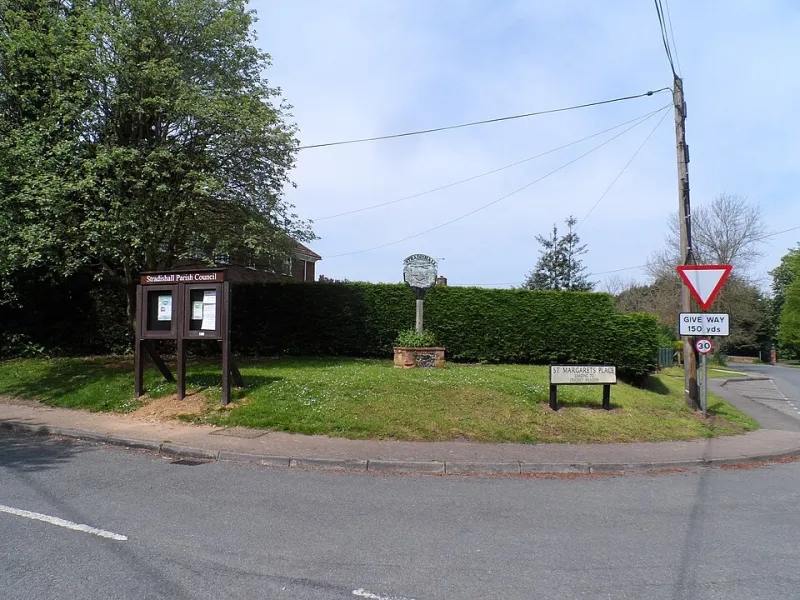
Photo: Bikeboy , CC BY-SA 2.0, via Wikimedia Commons
Every few months someone in a local business group announces that print is finished, the noticeboard is a museum piece and the only shop window that matters is a phone screen. Then a customer walks in, mentions the card they saw in the library, and the theory takes a small knock.
That is not an argument for going back to 1998. It is an argument for testing instead of guessing. Offline local discovery is patchy — brilliant on one street, dead on the next — and the only way to know which is which is to run a short, honest experiment and count what comes back.
First, Separate Reach From Nostalgia
There is a trap here. A noticeboard can feel like reach because you see your own poster on it every morning. A WhatsApp group can feel like community because it is full of people you know. Neither feeling pays an invoice.
A channel counts only if it produces one of three things within a reasonable window: a call, a visit, or a request for a quote. That is the bar. Six weeks is long enough to see a pattern and short enough that you do not waste a quarter being sentimental.
Here are the five places worth putting on the sheet, roughly in order of how cheaply you can test them.
1. The parish noticeboard
Where it actually is: the church porch, the village hall foyer, the Co-op lobby, the recreation ground hut, the bus shelter that somebody still maintains. Some are run by the parish council, some by a hall committee, some by a volunteer who has held the key since the nineties.
How to test it: ask the clerk or the hall secretary what the rules are before you pin anything. Many charge a few pounds a month; some are free for local traders; a few have a strict no-commercial-notices policy, which is worth knowing before you laminate. Put up an A5 with a phone number you can read from two metres and a QR code pointing at a page with a short code in the URL — something like ?src=board. Then leave it alone for six weeks.
What to watch: scans are useful, but the real signal is the person who says 'I saw it on the board' at the quote stage. Keep a tally.
2. The library foyer
Libraries have community boards, local information racks and, increasingly, a coffee morning or a job club that fills the room on a Tuesday. Ask the staff where a local business is allowed to put something — do not just tape a flyer to the glass, which is the fastest way to get it taken down and your name remembered for the wrong reason.
Some councils restrict commercial notices; others will let you sponsor a shelf or leave cards at the desk. Either way, the test is the same: one code, six weeks, and a note of how many people mention the library when they call. Libraries pull in a wider age range than most digital channels, and that is exactly the point.
3. The post office queue
The subpostmaster controls the window, the leaflet shelf and the small poster frame by the counter. A queue of six people is a captive audience for four to eight minutes — that is a long time in advertising terms, and it costs a lot less than a sponsored post.
Ask politely, offer to supply the card yourself, and keep it small: A6 with one offer and one number beats a busy A4 with nine services on it. Do not stick anything to the glass. If the subpostmaster says yes, you have bought yourself a genuinely local slot that most of your competitors have never thought about.
4. Community WhatsApp groups
Strictly speaking this is not offline, but it behaves like a parish noticeboard with faster gossip. Most streets, villages and housing estates have one, usually run by a patient admin who has strong views about people who only join to sell.
Ask the admin first. Then post once, in plain language, with something concrete — a free check, a slot on a date, a short explainer — rather than a link to your homepage. Test it with a simple instruction: 'Mention the group when you call.' If the group starts to feel like a place you are tolerated rather than welcomed, stop. The whole value of these groups is that they are not a billboard.
5. Free local papers and parish magazines
The free monthly that lands on the doormat. The church magazine. The village newsletter. The community paper run by two retirees and a printer in the next town. Rates are often £20 to £80 for a small display ad, and the readership is stubbornly loyal.
Run two consecutive months, not one — a single insertion is a coin toss. Ask for a code or a named offer so you can tell the paper apart from the poster, and check whether the publication has a digital version too, because that changes the maths.
The Tally Sheet That Settles Arguments
At first contact, ask one question: 'Where did you hear about us?' Then log four columns: date, channel, what happened next (call, visit, quote, job) and the rough value.
Six weeks of that will tell you more than six months of opinion. It also protects you from the reverse mistake — assuming a channel works because a competitor uses it, or dropping one because it feels old-fashioned.
What Actually Counts as a Result
A call is nice. A visit is better. A quote is a real signal. A job is the only thing that pays the rent.
Three quotes and one job from a £40 noticeboard is a good channel. Two hundred impressions and no enquiries is not, however warm the feeling in the village hall. The numbers are small, so treat them as honest rather than statistically grand — a local audit is a conversation with your own patch, not a marketing science project.
Pull the Dead Ones
If a spot produces nothing in six weeks, take the poster down, cancel the ad and move on without ceremony. That is not failure; it is a cheap answer to a question you would otherwise keep guessing at.
Keep the one or two that work and repeat them properly. Local reach is rarely one big push — it is a small loop of a board, a paper, a group and a counter, plus an owner who turns up often enough that people recognise the name before they need it.