The Card in Your Pocket Isn't a Contact: A Friday Habit That Stops Leads Going Cold
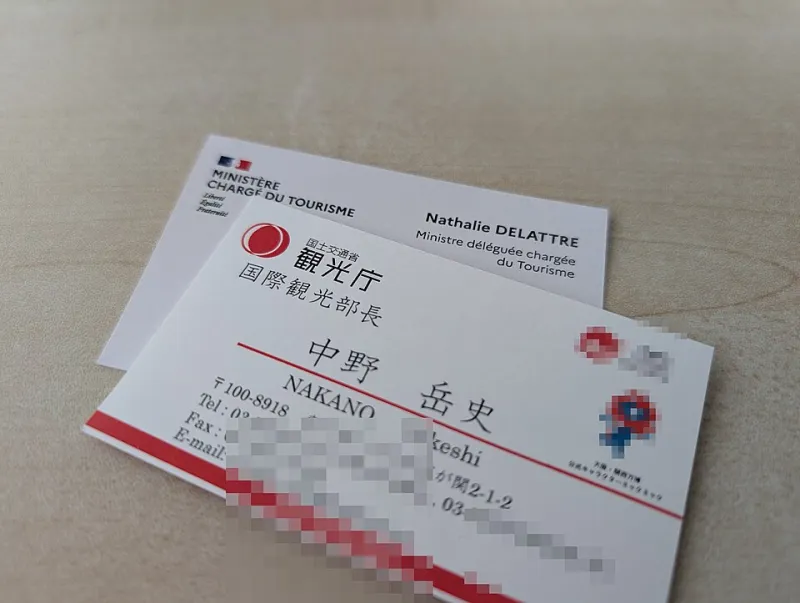
Photo: Syced, CC0, via Wikimedia Commons
There's a drawer in your desk with a stack of cards in it. Be honest. You know roughly who's in there — the accountant from the breakfast thing, the web bloke in the bright polo, the woman from the packaging firm whose name you'd recognise if you saw it written down.
And nothing happened with any of them.
That's not a character flaw, it's a scheduling one. Networking events are designed for the ninety minutes you're in the room. Nobody designs the bit afterwards, which is why the average UK business contact goes cold in about eleven days and the average follow-up never gets sent at all.
Why contacts go cold (it's almost never the other person)
Three reasons, in order of how often they're the culprit.
You followed up with nothing. 'Great to meet you, let's stay in touch' is not a message, it's a shrug with a signature. The other person reads it, thinks 'and?', and archives it. If your message could have been sent to anybody at that event, it isn't a follow-up.
You waited. Not because you're lazy — because the week after an event is always the week everything else lands. By day ten, the reason for the message has gone stale and now sending it feels awkward, so you don't. That's the whole mechanism.
You tried to follow up with everyone. Twenty cards, twenty identical messages, twenty identical results. Spraying follow-ups has roughly the same conversion rate as spraying anything else.
The Friday audit: twenty minutes, three piles
Pick a fixed twenty minutes. Friday at 3pm works because nobody schedules anything at 3pm on a Friday and you'd rather do this than look at the bank.
Empty the week's contacts onto the desk — cards, the notes app, the LinkedIn 'recently connected' list. Then sort them into three piles without thinking too hard.
Pile one: you can name what they need. Not 'they seemed nice'. Something specific. Their site is knackered. Their lease is up. They're going through a rebrand. If you can name it, they're real.
Pile two: useful to you, unclear to them. People you'd genuinely like in your network — a good solicitor, a decent recruiter, someone in a market you're trying to break into. No specific need yet, but worth a thread.
Pile three: the rest. This is the bigger pile, always. Not bad people. Just not a match right now.
Pile one gets a message today, with a proposed date in it. Pile two gets a message that gives something away and asks for nothing. Pile three gets put away and left alone — and here's the bit that matters, you don't feel guilty about it. You've made a decision rather than letting it rot.
Two templates that don't sound like a CRM
Both of these work because they mention something only that person would recognise. Copy the shape, not the words.
The specific one (pile one):
Hi Sam — good to meet you at the chamber do on Thursday. You mentioned your firm is moving to four-day invoicing in January and that your bookkeeper's part-time. We did the same switch in 2024 and it cost us about a fortnight of grumbling before it settled. Happy to send over the two-page checklist we used — no pitch, it's just a document. And if it's useful, I'll happily talk you through the messy bits over a coffee on the 26th.
The no-pressure one (pile two):
Hi Priya — we said we'd grab a coffee and then both went back to work, which is how these things usually go. Let me be specific rather than vague: 8:30 on the 26th, the place on Mill Street? If that's no good, tell me a week that suits and I'll work around it. If a coffee isn't useful right now, that's genuinely fine — I'll keep sending you the odd thing I think you'll find interesting and you can ignore most of it.
Notice what neither one does. No calendar link with fourteen slots. No 'circling back'. No attachment called 'Services Overview FINAL v3'. And both end with something the other person can say yes to without effort.
The blunt test for a second message
Before you write, ask two questions.
One: can I name one specific thing they're trying to solve? Two: would I put my name to them in front of a client or a supplier I care about?
Two yeses: message today, date in the diary within ten days, or it will drift.
One yes: one further message, then stop. Give it a fortnight. Silence is an answer and it isn't personal.
Two nos: leave it. Genuinely. Not every contact is a lead and treating them all like one is how business networking gets its terrible reputation.
The rule the whole thing hangs on: two messages, then stop. A second nudge is persistence. A fifth is a different word entirely, and UK business circles are small enough that people talk.
When to leave it alone
Some contacts should stay cold and that's fine. If someone was clearly collecting cards for a numbers game, if they pitched you in the first ninety seconds, if they've ignored two specific, low-effort messages — park it. You'll see them at another event and you'll both be pleasant and that's the correct outcome.
Also leave it alone if the only reason you're messaging is that you feel you ought to. Obligation-sends read exactly as they're written.
One habit, not a campaign
The appeal of a Friday audit is that it's small enough to actually happen. You aren't building a pipeline or launching a 'networking strategy'. You're spending twenty minutes making a decision about a handful of names, then sending two messages with dates in them.
Do it for a quarter and roughly a dozen people will have had a real conversation with you. That's more than most owners manage in a year — and it started in the drawer.