What the 2026 Rates Revaluation Really Does to Your Bill — Three Premises, Three Outcomes
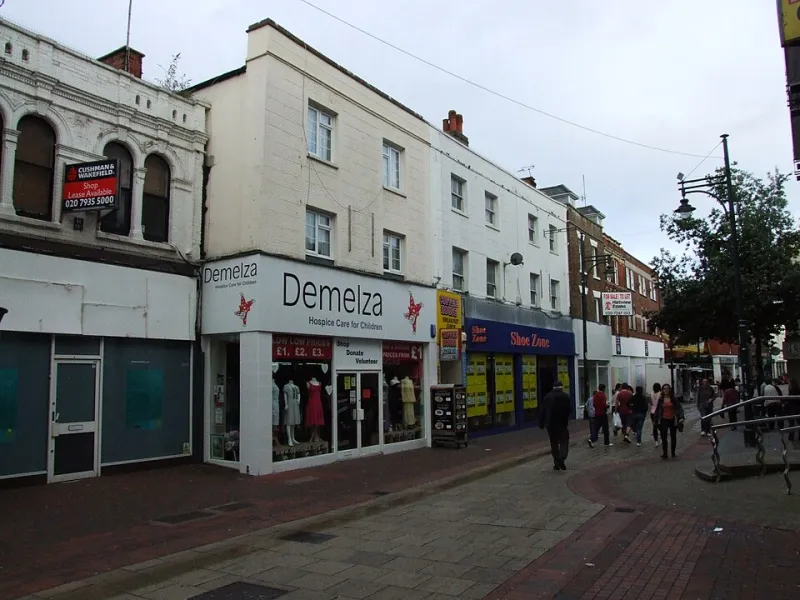
Photo: Chris Whippet , CC BY-SA 2.0, via Wikimedia Commons
The 2026 bills are in the post, and the arguments have started. Some high street owners have opened a figure that makes the eyes water; others have seen a modest drop and aren't sure whether to celebrate or wait for the catch. Either way, the revaluation is the first proper reset since 2023, and it bakes in the rental market as it looked on 1 April 2024.
Here's the bit that tends to get lost in the noise: a revaluation isn't designed to raise more money nationally. It's meant to be broadly fiscally neutral, shifting the burden between areas and property types. Your bill moves because your local market moved relative to everywhere else. Whether that feels like a lifeline or a fresh invoice depends entirely on which side of the shift you're standing on.
Revaluation versus multiplier — two different levers
Your rateable value is set by the Valuation Office Agency, based on what the property could reasonably be rented for on 1 April 2024. The multiplier — the pence-in-the-pound figure — is set separately by the Treasury each autumn. Two levers, two different conversations, and conflating them is how people end up arguing past each other in the pub.
So when someone says 'rates have gone up', ask which bit they mean. If the rateable value fell but the bill rose, that's the multiplier and the reliefs. If the rateable value jumped, that's the revaluation — and transitional relief may soften the landing.
The 2026 wrinkles worth knowing
A few things are different this time around:
- Lower multipliers for retail, hospitality and leisure. From April 2026, eligible RHL premises with a rateable value under £500,000 get permanently lower multipliers, paid for by a higher multiplier on the largest properties. It's a structural change rather than a one-year gimmick, but eligibility rules matter.
- RHL relief remains time-limited. The percentage and the £110,000 cap have been extended before and may be again. Never assume it's permanent, and never build a three-year plan on it.
- Small Business Rate Relief is unchanged in shape. Full relief up to £12,000 rateable value, tapering to £15,000, with the small multiplier available below £51,000 if you meet the conditions. A second property complicates this quickly.
- Transitional relief. Where a bill has risen sharply, a cap on increases may apply. Check the scheme for 2026 rather than assuming last time's rules carried over.
- Improvement relief. Qualifying works can earn a temporary holiday from the increase they would otherwise trigger — worth asking about before the refit, not after.
Worked example one: the independent shop
Take a high street retailer with a rateable value of £18,000. At an illustrative small multiplier of 49.9p, that's roughly £8,982 a year before reliefs — about £748 a month.
No Small Business Rate Relief here, because the value sits above £15,000. If RHL relief at 40% applies, the bill falls to around £5,389, or £449 a month. That is a genuinely meaningful gap for a shop running on thin margins. But if the relief disappears at a future Budget, the bill nearly doubles overnight. That's the cash flow trap in a nutshell: reliefs flatter the current year and hide the underlying liability.
Worked example two: the café or restaurant
A hospitality site with a rateable value of £32,000, using the same illustrative multiplier, faces about £15,968. With 40% RHL relief that becomes roughly £9,581. Add the new lower RHL multiplier and the number may fall further — but only if the property qualifies and the reliefs stack the way you assume they do. This is exactly the sort of sum to run past an accountant rather than a forum post, this one included.
Hospitality also has more room to challenge than many owners realise. Extraction systems, kitchen fit-outs, and outdoor seating that isn't truly permanent can all sit inside the assessment and inflate the figure. Checking the valuation breakdown costs nothing. Mounting a challenge costs time, so start with the evidence.
Worked example three: the office suite
An office at £24,000 rateable value gets no RHL relief. At the small multiplier, expect around £11,976. That part is straightforward. The less straightforward part is whether £24,000 still reflects reality. Hybrid working has dented office demand in plenty of towns, and 2024 rents may be softer than the previous assessment assumed. If a recent rent review or lease renewal suggests a weaker market, that is useful ammunition.
Where the reliefs genuinely help
Small premises under £15,000 still get the most generous treatment in the system, and long may it last. RHL relief, while it exists, is a lifeline for cafés, pubs, gyms and shops under the cap. Transitional relief does what it says on the tin for large increases. None of this is charity — it's policy — but it is worth claiming properly rather than hoping the council applies it for you.
Where cash flow still bites
Reliefs are annual, political and subject to change. Bills are usually payable over ten monthly instalments from April, which makes the first two months heavy for anyone who hasn't budgeted. You can ask for twelve instead. If money is tight, speak to the council's business rates team before the reminder letters arrive — most will discuss a payment plan.
Empty property rates kick in after three months for many premises. A refit that pushes up the rateable value can raise the bill while the dust is still settling. And losing small business relief because you've taken on a second site catches somebody out every single year.
What to ask your council and accountant now
- Which reliefs am I actually receiving, and when do they expire?
- Has my rateable value changed, and what evidence did the VOA use?
- Does the transitional scheme cap my increase, and for how long?
- Can I pay over twelve months rather than ten?
- If I'm planning works, will improvement relief apply?
- Am I risking small business relief because of another property?
Over to the forum
So which is it — lifeline or another bill to absorb? For premises under £15,000, the system is still broadly kind. For the mid-sized high street operator sitting between £18,000 and £40,000, reliefs are doing an enormous amount of heavy lifting that could be withdrawn at any Budget. That isn't really a rates system so much as a rolling subsidy with an expiry date nobody has printed.
If your 2026 bill has landed, post the percentage change and your rough rateable value band. Real numbers from real premises beat any consultation document hands down.