What Still Gets Printed: Pitching the Local Paper Without a PR Budget
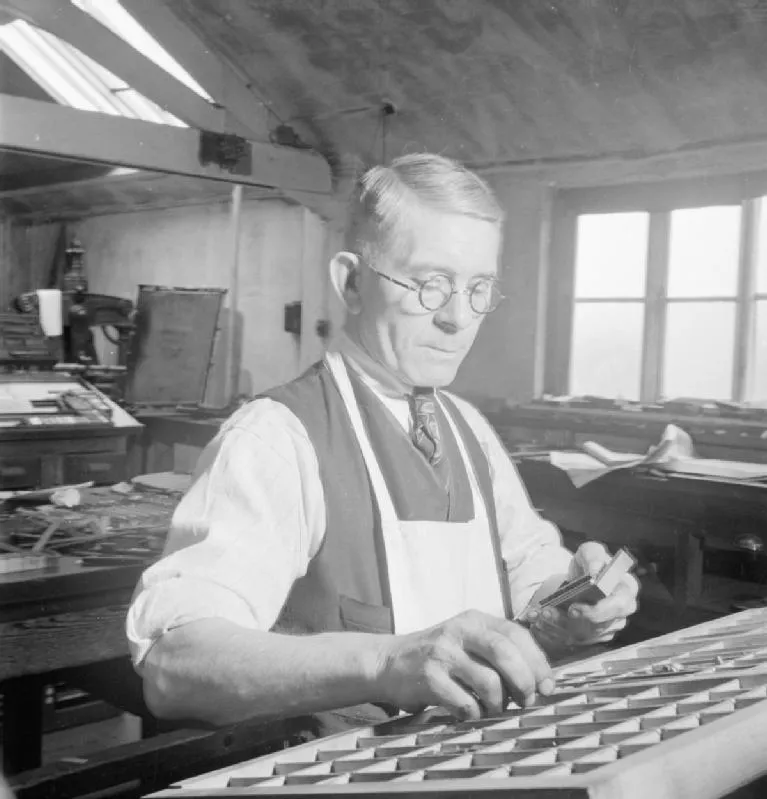
Photo: Richard Stone, Public domain, via Wikimedia Commons
Local papers are supposed to be dead. The ones I read still have pages to fill, a reporter covering three towns and a photographer who knows every civic hall from here to the coast. They are thinner than they were, no question. But they are not gone, and a real story from a real business still carries more trust than a display ad in the same issue.
The trick is not to write a press release. The trick is to give a reporter something that is actually news. Here is what still gets printed, how to pitch it, and how to tell whether it brought anyone through the door.
Find the person, not the inbox
Start with the paper's website. Look for the newsroom contact, not the advertising desk. If there is a named reporter covering business or your town, use their email. If there is only a generic newsdesk address, use that, but write a subject line a human will open: 'New apprenticeship at [business] in [town]' beats 'Press Release — For Immediate Release'.
Keep the email short. Who, what, why now, where, when. Attach one good photo, not a folder. If you have a customer who is happy to be quoted, say so. Reporters are busy. Make it easy to say yes.
Story one: the new hire that says something
'We have hired a new member of staff' is not news. 'We have hired the first apprentice in the town to train on [specific skill] after a six-month search' is. The difference is the local angle and the human detail.
Ask yourself: does this hire solve a problem other local people recognise? A new delivery driver who can cover the rural routes. A chef who has come back to the area after ten years. A trainee who is the first in their family to do a trade. That is a story. Get the new starter's permission before you send their name and photo. Do not overclaim. 'First in town' needs to be true.
Story two: the milestone with a change attached
Anniversaries are fine, but 'we are ten years old' on its own is a card, not a story. Give it a turn. 'We are ten years old and we are handing our window over to local artists for a month.' 'We are twenty years old and we have repaired the same coffee machine 400 times.' 'We are five years old and we are closing on Mondays because the town does not need another seven-day shop.'
The change is what makes it news. It gives the reporter a reason to write it now, rather than a reason to write a nice note in the diary. It also gives customers a reason to come in. If you are raising money or asking for something, be clear about it. Reporters can smell a thinly disguised advert.
Story three: the unusual request
This is the one owners underestimate. A customer asks you to do something strange, difficult or touching. A tailor asked to rebuild a wedding suit for a grandson. A bike shop asked to restore a 1970s trike for a care home. A printer asked to make 200 place cards for a reunion.
These stories work because they are specific and human. They also show what you actually do, which is better than any slogan. But get consent. Do not name a customer without asking. Do not make them the punchline. And do not invent a quirky request because you saw it work for someone else.
What is not a story
A sponsored award you bought is not a story. A generic sale is not a story. A photo of a cheque being handed over is only a story if the amount and the reason are genuinely local and unusual. Reporters get dozens of these a week. If you would not read it in the paper, do not pitch it.
How to measure it
Do not expect a stampede. Local paper coverage is trust, not a traffic tap. But you can still measure it. Ask every new customer how they heard about you for the next month. Put a simple line on the till or the booking form. If someone mentions the paper, note it.
You can also ask the paper to include your website or phone number, and check your website analytics for the week after publication. Look at calls, not just clicks. If you run a salon or a cafe, a mention can bring people in who say 'I saw you in the paper' three weeks later. That counts.
Build the relationship, not the campaign
Send the reporter a thank-you after the piece runs. Not a box of chocolates. A short email saying thanks and offering a follow-up if they need one. Invite them to the thing you are doing. If they write about you once, they are more likely to open your next email.
The local paper is not a vending machine. It is a room full of people who still care about the town. If you have a real story, tell it plainly. If you do not, wait until you do. That is a better use of your time than another display ad that nobody remembers.